



It's a fair question, and you've probably already asked it.
You have a blender. A decent one, maybe a good one. It blends things. Baby food is blended things. So why buy something new?
Here's an honest answer — but a genuine comparison of what each option actually offers, from one parent to another.

What a blender does well
A high-powered blender is genuinely capable of making excellent baby food. If you already own one, you can absolutely use it. Blend steamed vegetables, add a little cooking liquid, adjust texture as needed. It works.
The case for using your existing blender: lower cost (zero, if you already own one), versatile for other uses, and proven capable.
Where a dedicated food maker changes things
The difference isn't capability. It's friction.
A blender requires you to steam the food separately — on the stove, in a steamer, in the microwave — and then transfer the hot contents to blend. That's two pieces of equipment, two rounds of washing up, and a process that requires more active management.
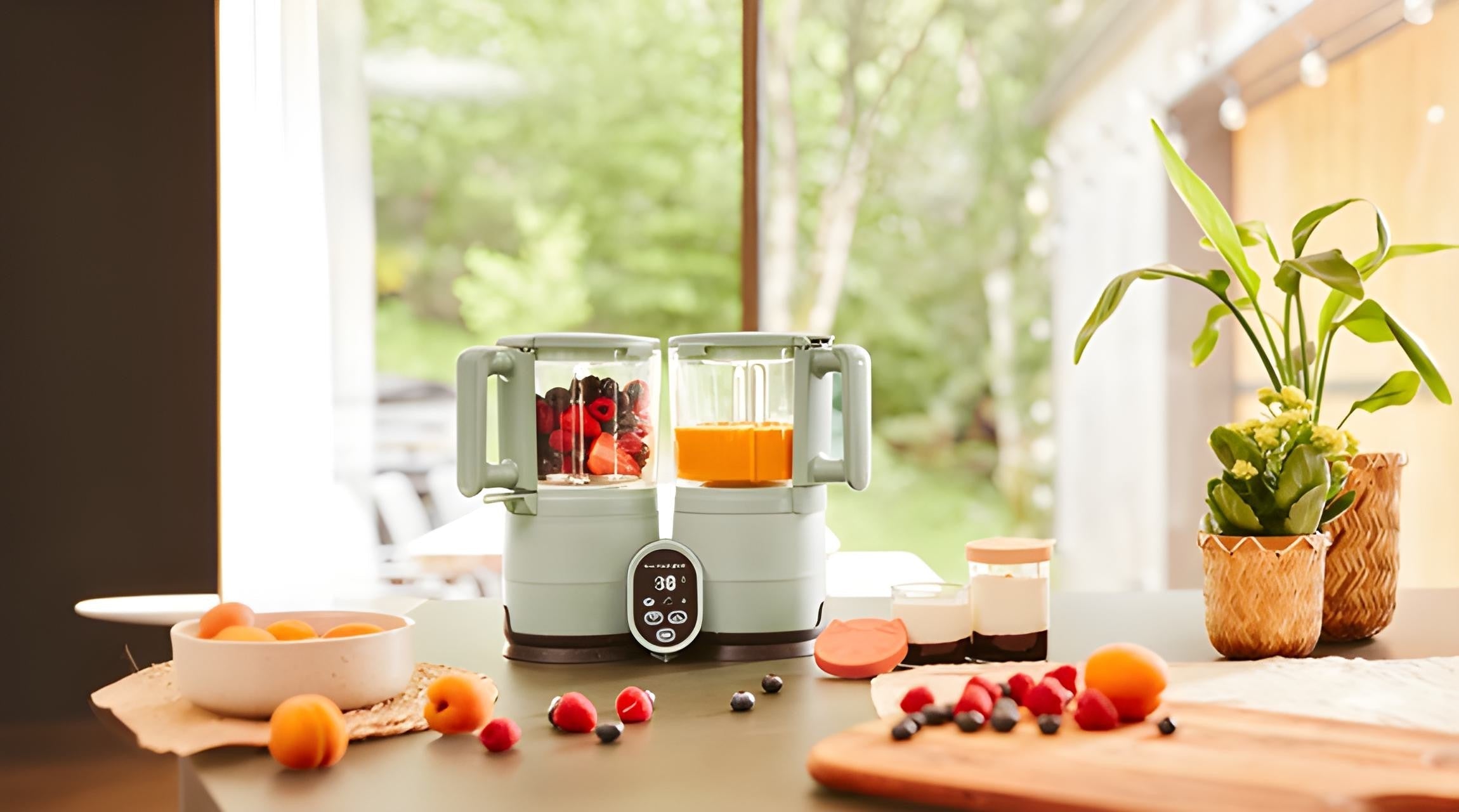
A dedicated baby food maker like the Duo Meal Station does both in the machine. You add the ingredients, set the steam timer, and when it's done you flip the bowl and blend without moving anything. One bowl. One process. One thing to wash.
For something you're doing every day — sometimes multiple times a day — that friction reduction is not a small thing.
Texture control
This matters more than it sounds. Between 4 and 12 months, the textures your baby needs change significantly — from completely smooth at the start to slightly lumpy at 7–8 months to mashed-but-not-pureed by 10–12 months.
A standard blender tends toward either very smooth or very chunky, depending on how long you run it. A food maker gives you graduated texture settings designed specifically for this progression — meaning you're not guessing, and you're not accidentally over-processing.
Nutrient preservation
Steam cooking preserves significantly more nutrients than boiling — particularly water-soluble vitamins like vitamin C and folate, which leach into cooking water when submerged. Both a food maker and a stovetop steamer handle this well. A microwave is less consistent. Boiling is the least effective option.
If you're making your own food because you want maximum nutritional value, steaming is the method. The Duo Meal Station's steaming function is designed specifically for this — controlled temperature, short cook times, nutrients retained in the bowl.
The glass question
If you're using a standard blender, the jug is almost certainly plastic. For daily use with hot food, that's worth noting. The Duo Meal Glass Pro uses a borosilicate glass bowl throughout the steam and blend process — no plastic contact at any stage.
So, do you need one?
If you're occasionally making a small batch of puree and your blender is powerful and convenient, you may not. Use what you have.
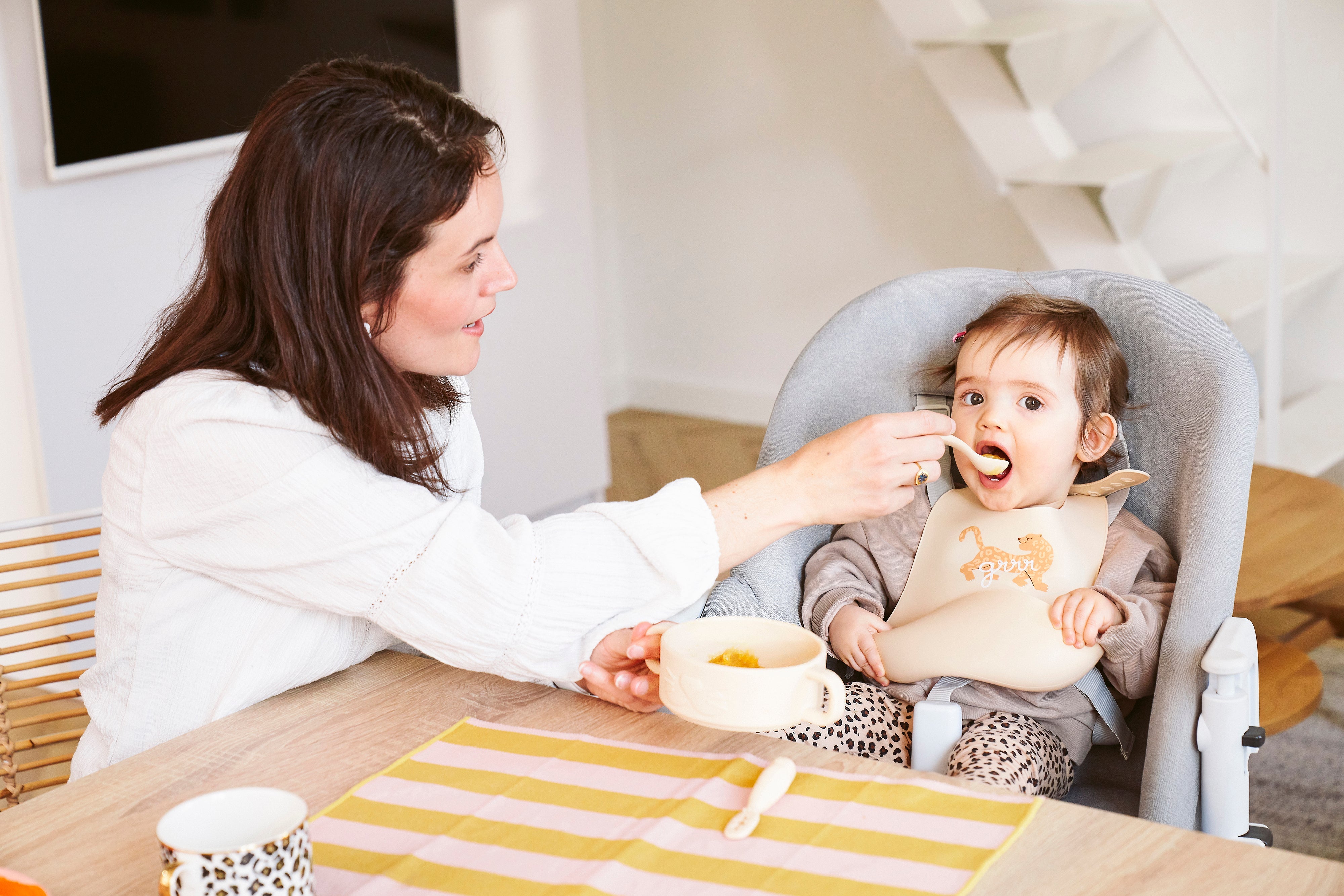
But if you're planning to make your own baby food consistently — which, once you start, most parents do — a dedicated food maker removes the daily friction that eventually causes people to reach for a jar instead. That's the honest case for it.
The Duo Meal Station is the starting point: powerful, proven across 25+ years, and designed specifically for this stage of family life. The Glass Pro is for parents who want the additional assurance of zero plastic contact.
Either way — fresh food, made by you, for someone who deserves it.
See the full Baby Food Maker range at Babymoov →


Leave a comment
All comments are moderated before being published.
This site is protected by hCaptcha and the hCaptcha Privacy Policy and Terms of Service apply.